Complete Guide to Termite Control: Essential Reading for Hong Kong Property Owners
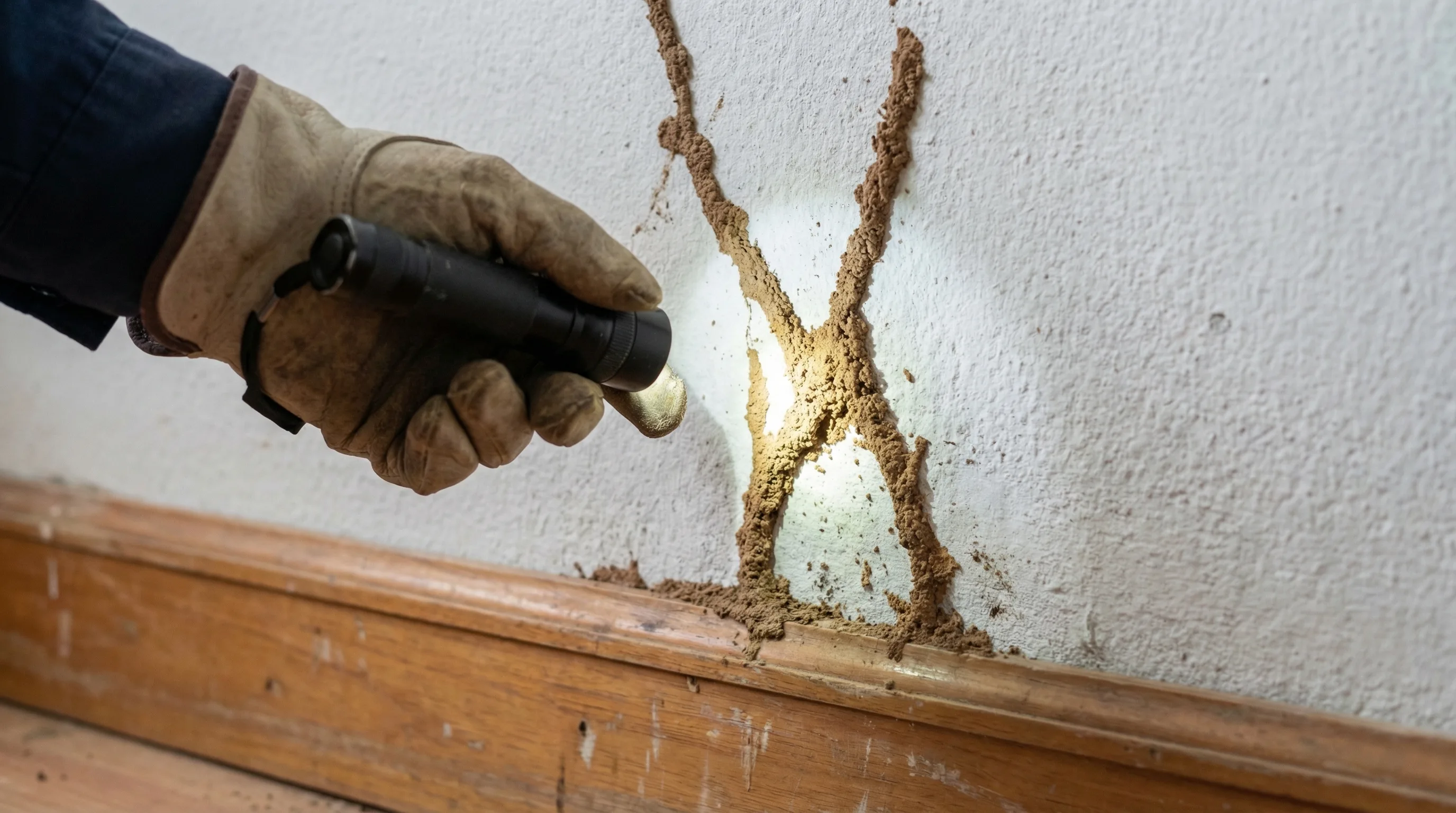
Over 90% of Hong Kong buildings face some risk of termite infestation, particularly older properties or those with extensive timber components. Understanding termite behaviour and early identification allows early intervention to prevent serious structural damage.
Common Termite Species in Hong Kong
The most common termite in Hong Kong is the subterranean termite (Coptotermes formosanus), which enters from soil or concrete cracks and constructs mud tubes. Drywood termites are less common and mainly attack furniture and timber goods. Treatment differs for each species, so professional identification is needed before deciding on a treatment plan.
Early Warning Signs of Termite Infestation
The following signs may indicate a termite problem: (1) Mud tubes — small mud pipes on walls, skirting boards or concrete surfaces; (2) Hollow-sounding wood — tapping on timber floors or walls produces a hollow sound; (3) Sticking doors or windows — wood swells as it absorbs termite secretions; (4) Flying termites (swarmers) — winged reproductives emerge in swarms between April and June; (5) Discarded wings — transparent wings shed by swarmers after landing.
Main Treatment Methods
Soil barrier treatment: Long-lasting termiticide is injected into soil or concrete cracks around the building, creating a chemical barrier that prevents termites from entering from below. Suitable for new buildings or as a preventive measure. Baiting system: Termite bait stations are installed around the building. Termites consume the bait and carry it back to the colony, eventually eliminating the whole colony. No structural damage required and low environmental impact — currently one of the most recommended industry methods. Timber injection: Insecticide is injected directly into infested timber. Suitable for localised treatment.
Tips for Choosing a Termite Control Company
(1) Confirm the company holds a FEHD Pest Control Operator licence; (2) Request a written report and detailed treatment plan; (3) Understand the type and safety data of chemicals used; (4) Confirm the post-treatment warranty period and follow-up arrangements; (5) Compare quotes from at least three companies.