How Hong Kong's High Humidity Fuels Pest Breeding
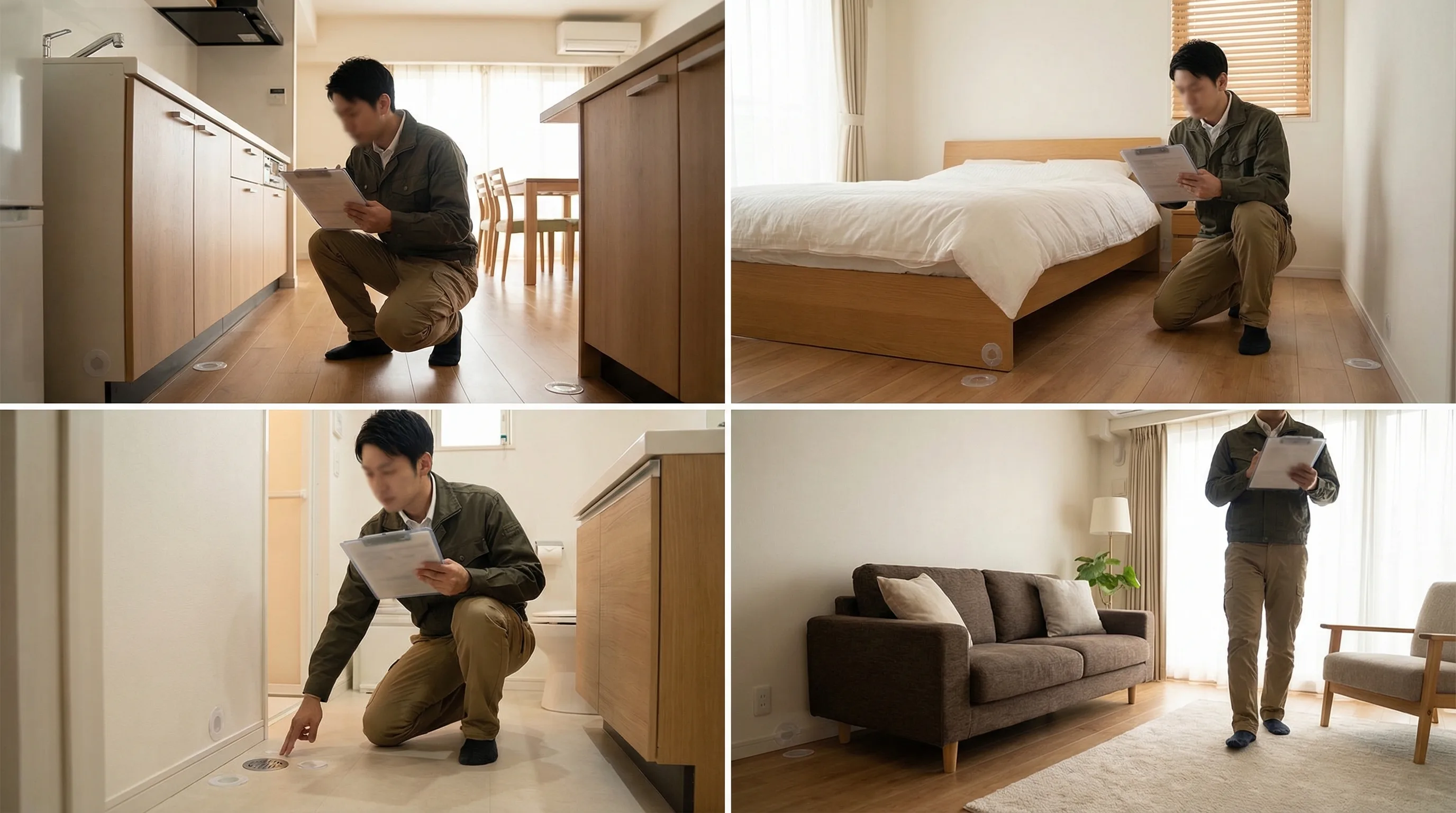
Hong Kong's annual average relative humidity exceeds 75%, with summer regularly reaching above 90%. This high-humidity environment profoundly affects pests: it not only accelerates metabolism and reproduction rates, but also provides the moisture pests need to survive in indoor environments.
How Humidity Affects Different Pests
Cockroaches: Reproduce significantly faster above 75% relative humidity; can survive longer without access to water; find it easier to invade indoor environments that would normally be relatively dry. Termites: High humidity softens wood, making it easier for termites to excavate. Hong Kong's humid spring and summer is the peak season for termite swarmers (flying termites). Dust mites: Multiply rapidly above 70% relative humidity and are a significant allergen source for asthma and allergy sufferers. Mosquitoes: High humidity speeds up larval development, shortening the breeding cycle.
Special Pest Prevention Strategies for High-Humidity Environments
Use a dehumidifier to control indoor humidity (aim to keep below 60%); ensure effective ventilation in kitchens and bathrooms — install and regularly use exhaust fans; repair all water seepage (wall seepage is an important termite entry route); regularly clean air conditioning filters (damp filters breed mould and attract pests); schedule a preventive pest treatment around the rainy season.